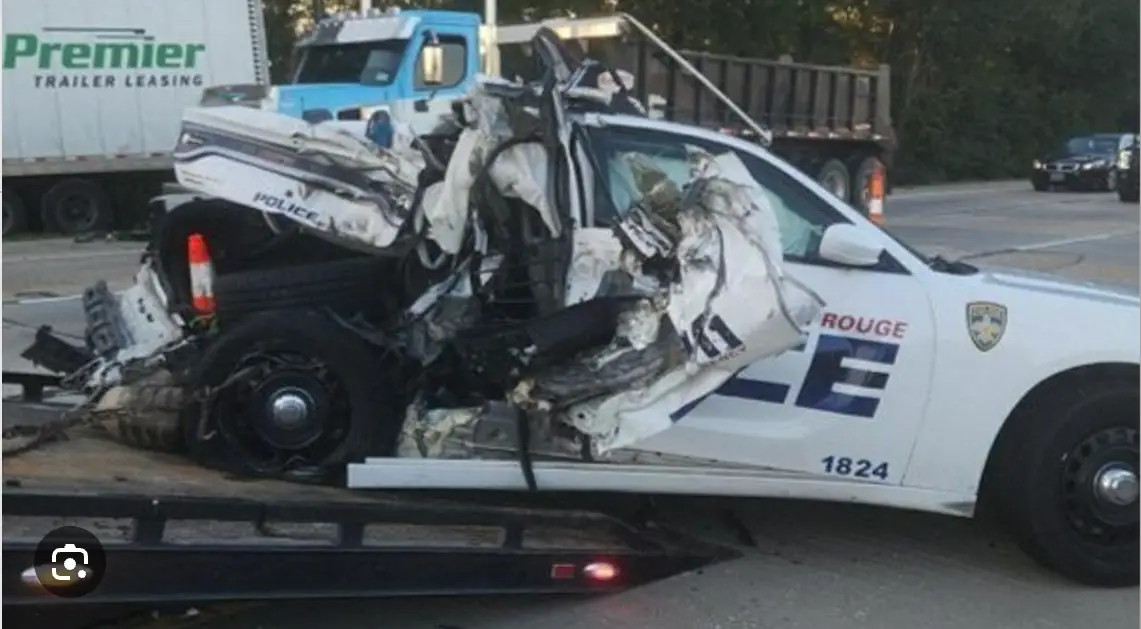
Head-On Crash

Injury

Lawyer

Baton Rouge Truck Accident Lawyer Walter Gabriel

Recent Results

SETTLEMENT
$1,000,000
Motor Vehicle Accident
SETTLEMENT
$475,000
Rear End Collision
SETTLEMENT
$575,000
Car Accident Settlement


Head-On Crash: Navigating the process

At Walter Gabriel Accident & Injury Lawyers, we understand being involved in a head-on crash is one of the most violent collisions a person can survive. Two vehicles moving toward each other combine their speeds at impact, often causing catastrophic injuries, long recoveries, and life-changing disability. If you or someone you love was hurt in a head-on wreck in the Baton Rouge metropolitan area, you deserve a legal team that knows how to prove fault, document injuries, and demand full compensation—without letting the insurance company minimize what happened.

Walter Gabriel Accident & Injury Lawyers represents people injured in head-on crashes across East Baton Rouge Parish and throughout the region, including Ascension, Livingston, West Baton Rouge, Iberville, Pointe Coupee, and St. James Parishes, and nearby cities like Central, Zachary, Baker, Denham Springs, Walker, Gonzales, Prairieville, Port Allen, Brusly, Addis, and Plaquemine.

Why head-on crashes are so dangerous (and so common in serious-injury claims)

Head-on impacts are a form of frontal crash, and frontal impacts account for a majority of passenger-vehicle occupant deaths nationally. In addition, when a passenger car and a light truck hit head-on in a fatal crash, an occupant is nearly three times more frequently killed in the passenger car than in the light truck—an important reminder of how vehicle size/height mismatch can increase harm.

Louisiana’s own statewide crash reporting underscores how often crashes result in serious harm. The Louisiana Traffic Records Data Report (CARTS / Louisiana Highway Safety Commission) reports that in 2024 there were 706 fatal crashes, 753 fatalities, 3,456 serious injuries, 17,428 minor injuries, and 146,189 crashes statewide. While these numbers include all crash types (not only head-on collisions), they show why insurers and defense teams fight hard to minimize injury claims—and why strong documentation matters from day one.

Head-on crash
Head-on crash

Baton Rouge roads and conditions that can lead to head-on collisions

Head-on wrecks typically happen when a driver enters oncoming traffic—by crossing the centerline or traveling the wrong way. In and around Baton Rouge, these crashes can occur on high-speed corridors and connectors that carry commuter and commercial traffic, including routes feeding I-10 and I-12, as well as major arterials (for example, Airline Highway corridors) and two-lane parish roads where a brief drift can be deadly.

Common scenarios we investigate in head-on crash cases include:

  • Centerline crossover from distraction (phone use, navigation, eating), fatigue, or medical events

  • Impaired or drugged driving

  • Wrong-way driving (especially at night, during events, or after alcohol service)

  • Unsafe passing on two-lane roads

  • Speeding/aggressive driving that leaves no time to correct

  • Construction zones with confusing signage or lane shifts

  • Vehicle or tire failure (blowouts, steering/suspension defects)

  • Commercial driver errors (hours-of-service fatigue, overloaded vehicles, training failures)

A head-on crash is rarely “just an accident.” The key is proving why the other vehicle entered your lane—and preserving the evidence before it disappears.

Head-on crash traffic camera

Injuries after a head-on collision: what we see most often

Because head-on crashes produce intense forward-and-back forces, injuries frequently involve the head, brain, chest, spine, and lower extremities. Some injuries are obvious immediately; others appear hours or days later.

1) Brain and head injuries

  • Concussion / mild traumatic brain injury (mTBI)

  • Moderate to severe TBI (diffuse axonal injury, brain bleeding)

  • Skull or facial fractures

  • Vision problems, dizziness, memory changes, mood changes

Why it matters legally: TBIs are often underestimated by insurers because CT/MRI can be normal early on. We focus on symptom timelines, neuro evaluations, and functional impact.

2) Neck, back, and spinal injuries

  • Whiplash and cervical strain/sprain

  • Herniated/bulging discs

  • Nerve compression with radiating pain

  • Thoracic/lumbar fractures

  • Spinal cord injury (partial or complete)

3) Chest and internal injuries (high risk in head-on crashes)

  • Rib and sternum fractures

  • Collapsed lung

  • Heart and lung contusions

  • Internal bleeding (spleen, liver)

  • Abdominal trauma from seat belt forces

4) Orthopedic trauma: arms, legs, hips, pelvis

  • Femur and tib-fib fractures

  • Knee injuries (ACL/PCL/meniscus) from dashboard impact

  • Hip and pelvic fractures

  • Shoulder injuries

  • Wrist/hand fractures

  • Amputations in severe crush injuries

5) Burns, lacerations, scarring, and disfigurement

  • Airbag abrasions and chemical burns

  • Deep lacerations from glass/metal

  • Permanent scarring requiring revision surgery

6) Psychological injuries (often overlooked)

  • PTSD, driving anxiety, panic attacks

  • Sleep disruption, depression, grief

  • Reduced quality of life and relationship strain


What to do after a head-on crash in Baton Rouge

If you’re able (or if a family member is helping), these steps protect your health and your claim:

  1. Get medical care immediately—even if pain feels “manageable.”

  2. Call law enforcement and make sure a report is generated.

  3. Photograph the scene (lane positions, debris field, skid marks, signage, weather, lighting).

  4. Identify witnesses and get contact info.

  5. Do not give a recorded statement to the other driver’s insurer without counsel.

  6. Preserve evidence: keep the vehicle (don’t repair too quickly), save dashcam footage, and keep all discharge paperwork.

Head-on collisions often involve contested fault (lane position disputes). Evidence that seems small—like where debris landed—can decide the case.


Car accident
Car accident

Fault and compensation in Louisiana head-on collision cases

Louisiana’s comparative fault rule (important change in 2026)

Louisiana has adopted a modified comparative fault approach with a 51% bar, meaning a person found 51% or more at fault can be barred from recovering damages. This makes early investigation even more important in head-on cases, where the at-fault driver may try to claim you “drifted” or “swerved.”

Deadline to file (prescription)

For most personal injury (delictual) actions in Louisiana arising after the effective date, the prescriptive period is two years from the date injury or damage is sustained. (There can be exceptions and special rules—especially where government entities, minors, or other factors are involved—so it’s smart to speak with counsel quickly.)

Damages that may be available

Depending on the facts, a head-on crash claim can include:

  • Past and future medical expenses (ER, imaging, surgery, rehab, meds)

  • Lost wages and diminished earning capacity

  • Pain and suffering

  • Disability, impairment, and loss of enjoyment of life

  • Disfigurement/scarring

  • Household services and caregiving needs

  • Wrongful death damages (when a family loses someone)



 How we build a head-on collision case (experience + evidence)

Car Accident reconstruction
Car accident reconstruction

Insurance companies don’t “pay fairly” because the crash was scary. They pay when the evidence is organized, the injuries are proven, and the legal theories are airtight.

In a head-on collision case, we may:

  • Secure the crash report and underlying scene documentation

  • Analyze vehicle damage patterns and impact points

  • Preserve electronic evidence (dashcam, event data recorders when available)

  • Obtain surveillance footage from nearby businesses and roadway cameras

  • Interview witnesses quickly before memories fade

  • Review cell-phone records (when distraction is suspected)

  • Coordinate medical documentation that connects the crash mechanics to the injuries

  • Calculate future care needs and long-term limitations

We also help clients avoid common pitfalls—like gaps in treatment or signing broad medical authorizations the insurer can use to cherry-pick your history.
Motorcycle accident in New Orleans

Why Choose Walter Gabriel Accident & Injury Lawyers?

At Walter Gabriel Accident & Injury Lawyers, we are committed to providing personalized, compassionate legal representation to car accident victims in Baton Rouge. Our attorneys have a deep understanding of Louisiana’s traffic laws and the unique challenges of accidents on Baton Rouge’s roads. We have a proven track record of success in handling car accident cases, and we are dedicated to securing the best possible outcome for our clients.

When you choose us, you can expect:

  • A free, no-obligation consultation to discuss your case
  • Personalized attention and regular updates on your case
  • Aggressive representation to hold negligent drivers accountable
  • No fees unless we win your case

Contact Us Today

If you or a loved one has been injured in a car accident in Baton Rouge, don’t wait to seek legal help. The sooner you contact us, the sooner we can start building your case. Call Walter Gabriel Accident & Injury Lawyers today at (225) 401-1111 or fill out our online contact form for a free consultation. Let us help you get the justice and compensation you deserve.

At Walter Gabriel Accident & Injury Lawyers, we’re here to guide you through every step of the process and ensure your voice is heard. You don’t have to face this difficult time alone—let us fight for you.

Call us at (225) 401-1111 or visit our Baton Rouge office located at 5555 Hilton Avenue, Baton Rouge, LA 70808.

When you’ve been involved in a head-on car accident in Baton Rouge

don’t wait to get the help you need.

Contact us at (225) 401-1111 for a free consultation with an experienced lawyer

No Fee

Related Article

practice areas

SETTLEMENT
$575,000
Motor Vehicle Accident

Location served

FAQ’s

Personal injury refers to physical, emotional, or psychological harm suffered by an individual due to the negligence, recklessness, or intentional actions of another party. Common examples include car accidents, slip and fall incidents, medical malpractice, workplace injuries, and product liability cases. The goal of personal injury law is to provide compensation to the injured party (plaintiff) for their losses, such as medical expenses, lost wages, pain and suffering, and other damages.

How a Personal Injury Lawyer Helps Victims

A personal injury lawyer, like Attorney Walter Gabriel, specializes in representing individuals who have been injured due to someone else’s actions or negligence. Here’s how Attorney Walter Gabriel helps victims receive maximum compensation for their injuries:

  1. Case Evaluation and Legal Advice:
    • Attorney Walter Gabriel begins by evaluating the merits of the case during a free consultation. He assesses the circumstances of the accident, the extent of the injuries, and the potential for a successful claim.
    • He provides clear legal advice on the best course of action, including whether to pursue a settlement or go to trial.
  2. Investigation and Evidence Gathering:
    • He conducts a thorough investigation to gather evidence, such as police reports, medical records, witness statements, and expert opinions.
    • This evidence is crucial in establishing liability and proving the extent of the damages.
  3. Negotiating with Insurance Companies:
    • Insurance companies often try to minimize payouts. Attorney Walter Gabriel handles all communications with insurers to ensure his clients are not taken advantage of.
    • He negotiates aggressively to secure a fair settlement that covers all current and future expenses related to the injury.
  4. Calculating Damages:
    • He works with medical professionals, economists, and other experts to accurately calculate the full extent of the damages, including medical bills, lost income, pain and suffering, and long-term care needs.
    • This ensures that clients receive compensation that reflects the true impact of their injuries.
  5. Filing Legal Claims and Litigation:
    • If a fair settlement cannot be reached, Attorney Walter Gabriel is prepared to take the case to court. He files all necessary legal documents and represents his clients during trial.
    • His litigation skills and courtroom experience are critical in presenting a compelling case to a judge or jury.
  6. Maximizing Compensation:
    • By leveraging his expertise and resources, Attorney Walter Gabriel strives to maximize the compensation his clients receive. This includes pursuing all available avenues for recovery, such as third-party claims or punitive damages in cases of gross negligence.
  7. Providing Support and Guidance:
    • Beyond legal representation, he offers emotional support and guidance throughout the process, helping clients navigate the complexities of the legal system while they focus on recovery.

Why Choose Attorney Walter Gabriel?

  • Experience and Expertise: With years of experience in personal injury law, Attorney Walter Gabriel has a deep understanding of the legal and medical issues involved in these cases.
  • Client-Centered Approach: He prioritizes the needs and well-being of his clients, ensuring they receive personalized attention and care.
  • Proven Track Record: His history of successful settlements and verdicts demonstrates his ability to deliver results.

In summary, Attorney Walter Gabriel plays a vital role in helping accident victims recover the maximum compensation they deserve by providing expert legal representation, thorough case preparation, and unwavering advocacy.

Suffering an accident or injury can be a life-altering experience, leaving you physically, emotionally, and financially overwhelmed. In the moments following an incident, it’s crucial to take the right steps to protect your health, your rights, and your ability to recover compensation. At Walter Gabriel Accident & Injury Lawyers, we’re here to help you navigate this challenging time. Here’s what you should do after an accident or injury:

  1. Seek Medical Attention Immediately

Your health and safety are the top priority. Even if your injuries seem minor, it’s essential to see a doctor as soon as possible. Some injuries, such as whiplash or internal trauma, may not show symptoms right away. A medical professional can document your condition, which is critical for both your recovery and any future legal claims.

  1. Report the Incident

Depending on the type of accident, report it to the appropriate authorities or parties. For example:

  • Car accidents: Contact the police and file an accident report.
  • Workplace injuries: Notify your employer and ensure the incident is documented.
  • Slip and fall accidents: Inform the property owner or manager and request a written report.
    Having an official record of the incident can strengthen your case if you need to pursue compensation.
  1. Document Everything

Gather as much evidence as possible to support your claim. This includes:

  • Photos and videos: Capture images of the accident scene, your injuries, property damage, and any hazardous conditions that contributed to the incident.
  • Witness information: Collect names, phone numbers, and statements from anyone who saw what happened.
  • Medical records: Keep detailed records of all diagnoses, treatments, and expenses related to your injury.
  1. Avoid Discussing the Incident

Be cautious about what you say after an accident. Avoid admitting fault or making statements that could be used against you later. This includes conversations with insurance adjusters, the other party involved, or even on social media. Let your attorney handle all communications on your behalf.

  1. Contact a Personal Injury Lawyer

Navigating the legal process after an injury can be complex, especially when dealing with insurance companies or at-fault parties. An experienced personal injury attorney can help you:

  • Understand your rights and legal options.
  • Investigate the cause of the accident and identify liable parties.
  • Negotiate with insurance companies to ensure you receive fair compensation.
  • Represent you in court if a settlement cannot be reached.

At Walter Gabriel Accident & Injury Lawyers, we specialize in helping injury victims recover the compensation they deserve for medical bills, lost wages, pain and suffering, and more. We’ll fight tirelessly to protect your rights and hold responsible parties accountable.

  1. Keep Track of Your Expenses

Injury-related expenses can add up quickly. Maintain a file with all receipts, bills, and documentation related to your accident, including:

  • Medical treatments and prescriptions.
  • Lost wages due to time off work.
  • Transportation costs for medical appointments.
  • Any other out-of-pocket expenses.

This information will be crucial when calculating the full value of your claim.

  1. Don’t Settle Too Quickly

Insurance companies often try to offer quick, lowball settlements to minimize their payouts. Before accepting any offer, consult with a personal injury lawyer near you to ensure it covers all your current and future expenses. Once you accept a settlement, you typically cannot seek additional compensation later.

Let Us Help You Move Forward

If you or a loved one has been injured due to someone else’s negligence, you don’t have to face the aftermath alone. The team at Walter Gabriel Accident & Injury Lawyers is here to provide compassionate, experienced legal representation. We’ll guide you through every step of the process, so you can focus on healing while we fight for the justice and compensation you deserve.

Contact us today for a free, no-obligation consultation. Let us help you take the first step toward recovery and securing your future.

A personal injury lawyer typically works on a contingency fee basis, which means they only get paid if they successfully recover money for you. Here’s how it works:

  1. No Upfront Fees: When you hire a personal injury lawyer, you don’t have to pay anything out of pocket to get your case started. There are no upfront costs or fees required to begin working on your case. This allows you to pursue legal action without worrying about immediate expenses.
  2. Contingency Fee Agreement: The lawyer agrees to take a percentage of the settlement or court award you receive if your case is successful. This percentage is agreed upon in advance and is typically outlined in a written agreement. If the lawyer doesn’t win your case, you don’t owe them any legal fees.
  3. No Recovery, No Fee: If your case doesn’t result in a settlement or court award, the lawyer doesn’t get paid. This means the lawyer is motivated to work hard on your case and maximize your compensation, as their payment depends on your success.
  4. Costs and Expenses: While you don’t pay upfront fees, there may still be case-related expenses, such as court filing fees, expert witness fees, or costs for obtaining medical records. Some lawyers cover these costs during the case and deduct them from your settlement or award at the end. Others may ask you to pay these costs if the case is unsuccessful, so it’s important to clarify this with your lawyer upfront.

In summary, a personal injury lawyer’s payment structure is designed to make legal representation accessible to everyone, regardless of their financial situation. You don’t have to pay a dime to start your case, and the lawyer only gets paid if you win. This arrangement aligns the lawyer’s interests with yours, ensuring they are committed to achieving the best possible outcome for your case.

The value of a personal injury case depends on several factors, and without specific details, it’s impossible to provide an exact amount. However, here are the key factors that influence the worth of a personal injury case:

1. Medical Expenses

  • Current and future medical bills related to the injury.
  • Costs of surgeries, medications, physical therapy, and other treatments.

2. Lost Wages and Earning Capacity

  • Income lost due to time off work during recovery.
  • Reduced earning capacity if the injury affects your ability to work in the future.

3. Pain and Suffering

  • Compensation for physical pain, emotional distress, and mental anguish caused by the injury.
  • This is subjective and varies case by case.

4. Property Damage

  • If the injury involved damage to personal property (e.g., car accident), the cost of repairs or replacement.

5. Severity and Long-Term Impact

  • Permanent disabilities, scarring, or disfigurement increase the value of a case.
  • Long-term or chronic pain also impacts the settlement.

6. Liability and Negligence

  • Clear evidence of the other party’s fault strengthens your case.
  • If you’re partially at fault, your compensation may be reduced (depending on your state’s laws).

7. Insurance Policies

  • The at-fault party’s insurance coverage could affect the amount you recover.
  • Other factors to consider are punitive damages and jury outcomes which could significantly increase the value of your case.

8. Jurisdiction

  • Some areas are known for higher or lower compensation amounts based on local laws and jury tendencies.

9. Settlement vs. Trial

  • Settlements are often lower than jury awards but avoid the risk of losing at trial.


What You Should Do:

  1. Consult a Personal Injury Lawyer: An attorney can evaluate your case, gather evidence, and negotiate with insurance companies.
  2. Document Everything: Keep records of medical bills, lost wages, and how the injury has impacted your life.
  3. Avoid Early Settlement Offers: Insurance companies often offer low initial settlements. Wait until you know the full extent of your injuries and losses.

For a more accurate estimate, provide specific details about your case to a qualified personal injury attorney. They can assess the unique factors of your situation and give you a better idea of what your case might be worth.

The time it takes to resolve a personal injury case can vary widely depending on several factors, including the complexity of the case, the severity of the injuries, the willingness of the parties to negotiate, and the court’s schedule. Here are some general timelines:

  1. Settlement Negotiations: Many personal injury cases are resolved through settlement negotiations without going to trial. This process can take anywhere from a few months to a year or more, depending on how quickly both parties can agree on terms.
  2. Filing a Lawsuit: If a settlement cannot be reached, the next step is to file a lawsuit. The filing process itself is relatively quick, but the subsequent legal proceedings can take much longer.
  3. Discovery Phase: After a lawsuit is filed, both parties enter the discovery phase, where they gather evidence, take depositions, and exchange information. This phase can last several months to a year or more.
  4. Pre-Trial Motions and Mediation: Before going to trial, there may be pre-trial motions and mediation attempts to resolve the case. This can add several months to the timeline.
  5. Trial: If the case goes to trial, the trial itself might last a few days to several weeks. However, getting a trial date can take a year or more due to court backlogs.
  6. Post-Trial Motions and Appeals: If either party is dissatisfied with the trial outcome, they may file post-trial motions or appeals, which can extend the resolution time by several months to a few years.

Factors That Can Affect the Timeline:

  • Severity of Injuries: Cases involving severe or long-term injuries may take longer to resolve because the full extent of the damages may not be immediately clear.
  • Disputes Over Liability: If fault is contested, the case may take longer to resolve.
  • Multiple Parties: Cases involving multiple defendants or plaintiffs can be more complex and time-consuming.
  • Court Backlogs: The availability of judges and courtrooms can impact how quickly a case moves forward.

What You Can Do:

  • Stay in Communication: Keep in regular contact with your attorney to stay updated on the progress of your case.
  • Be Patient: Personal injury cases can be lengthy, but a thorough approach often leads to a better outcome.
  • Follow Medical Advice: Continue to follow your doctor’s recommendations and keep detailed records of your treatment and recovery.

If you have specific concerns about your case, it’s best to discuss them with your personal injury attorney, who can provide a more accurate timeline based on the details of your situation.

Latest NEws

Many people associate severe injuries with high-speed, catastrophic accidents. However, low-impact accidents—those occurring at lower speeds or with minimal visible

The Immediate Impact of Losing a Loved One to a Drunk Driver The immediate aftermath of losing a loved one

WordPress Lightbox