Understanding the Statute of Limitations for Car Accidents in Louisiana
How Louisiana’s New Law Impacts Car Accident Victims If you’ve been in a car accident in Louisiana, you might wonder



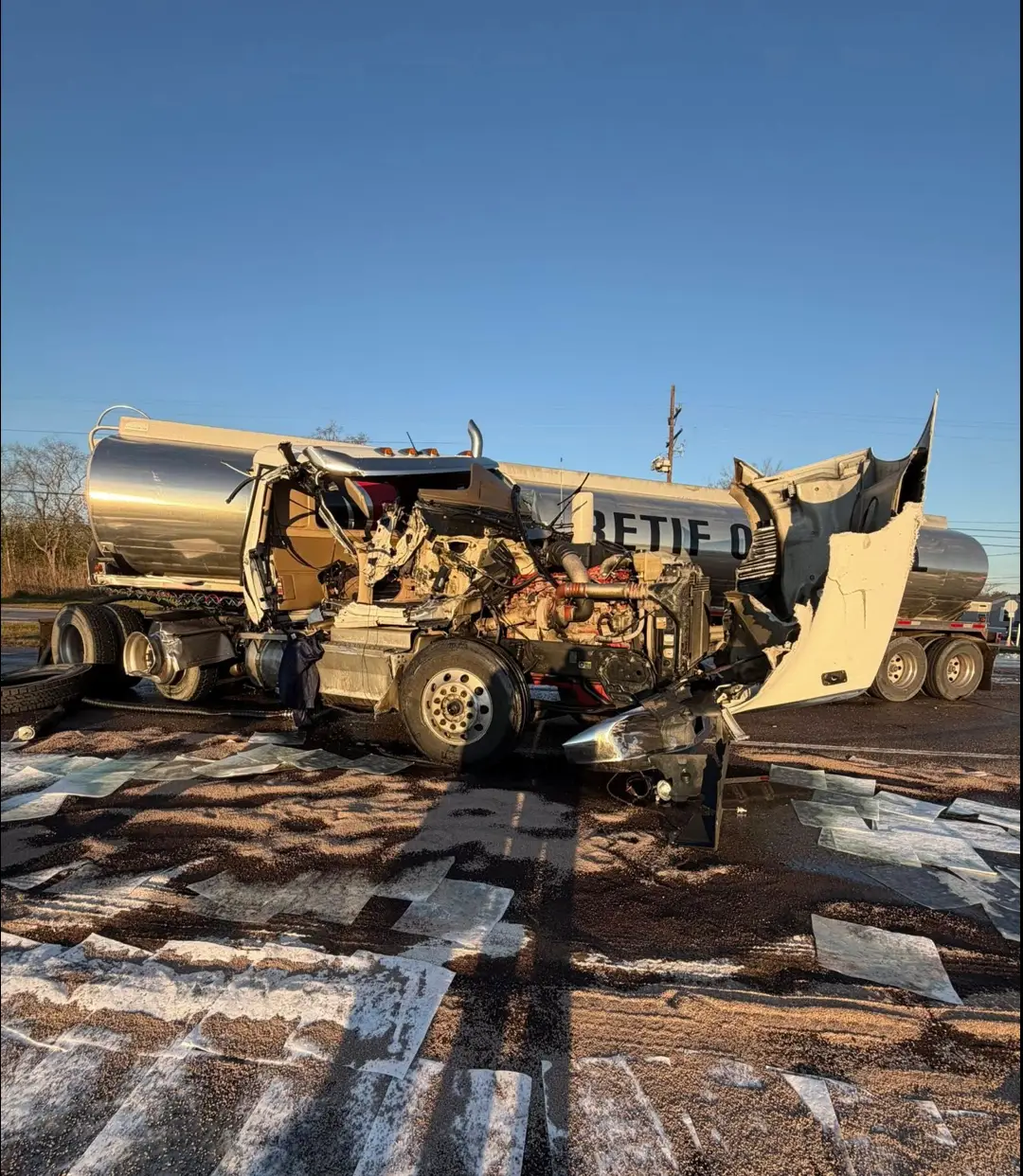
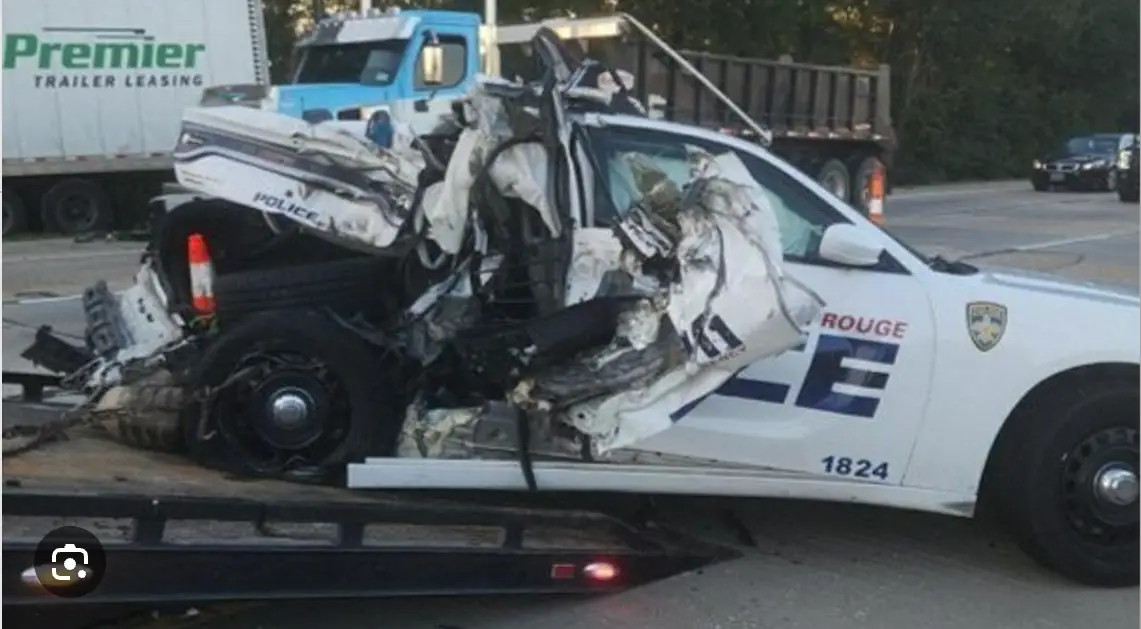
Head-on impacts are a form of frontal crash, and frontal impacts account for a majority of passenger-vehicle occupant deaths nationally. In addition, when a passenger car and a light truck hit head-on in a fatal crash, an occupant is nearly three times more frequently killed in the passenger car than in the light truck—an important reminder of how vehicle size/height mismatch can increase harm.
Louisiana’s own statewide crash reporting underscores how often crashes result in serious harm. The Louisiana Traffic Records Data Report (CARTS / Louisiana Highway Safety Commission) reports that in 2024 there were 706 fatal crashes, 753 fatalities, 3,456 serious injuries, 17,428 minor injuries, and 146,189 crashes statewide. While these numbers include all crash types (not only head-on collisions), they show why insurers and defense teams fight hard to minimize injury claims—and why strong documentation matters from day one.
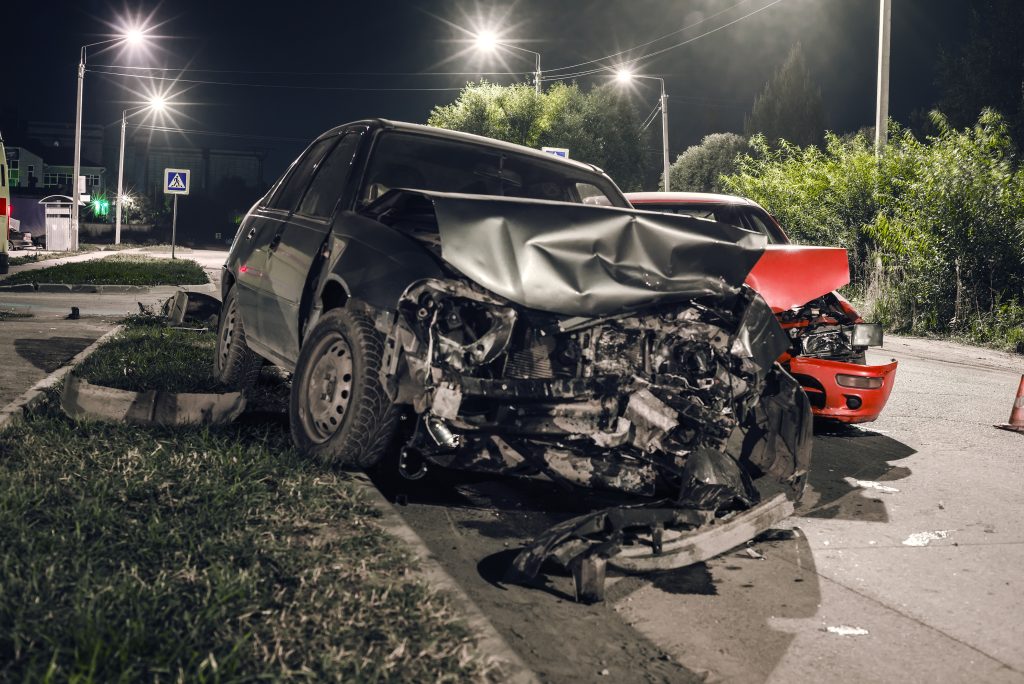
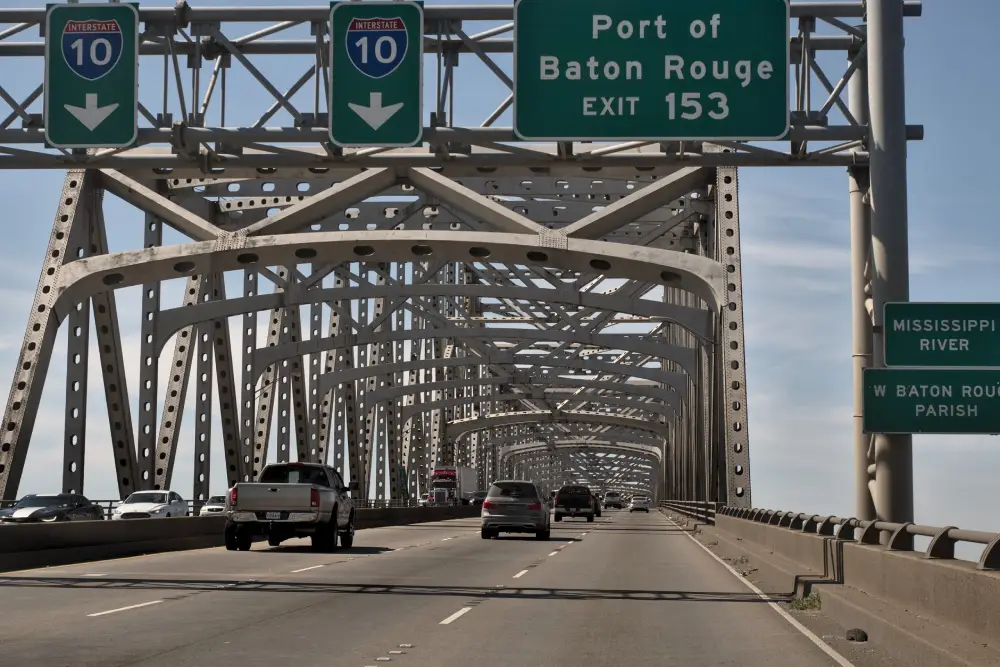
Head-on wrecks typically happen when a driver enters oncoming traffic—by crossing the centerline or traveling the wrong way. In and around Baton Rouge, these crashes can occur on high-speed corridors and connectors that carry commuter and commercial traffic, including routes feeding I-10 and I-12, as well as major arterials (for example, Airline Highway corridors) and two-lane parish roads where a brief drift can be deadly.
Common scenarios we investigate in head-on crash cases include:
Centerline crossover from distraction (phone use, navigation, eating), fatigue, or medical events
Impaired or drugged driving
Wrong-way driving (especially at night, during events, or after alcohol service)
Unsafe passing on two-lane roads
Speeding/aggressive driving that leaves no time to correct
Construction zones with confusing signage or lane shifts
Vehicle or tire failure (blowouts, steering/suspension defects)
Commercial driver errors (hours-of-service fatigue, overloaded vehicles, training failures)
A head-on crash is rarely “just an accident.” The key is proving why the other vehicle entered your lane—and preserving the evidence before it disappears.
Because head-on crashes produce intense forward-and-back forces, injuries frequently involve the head, brain, chest, spine, and lower extremities. Some injuries are obvious immediately; others appear hours or days later.
Concussion / mild traumatic brain injury (mTBI)
Moderate to severe TBI (diffuse axonal injury, brain bleeding)
Skull or facial fractures
Vision problems, dizziness, memory changes, mood changes
Why it matters legally: TBIs are often underestimated by insurers because CT/MRI can be normal early on. We focus on symptom timelines, neuro evaluations, and functional impact.
Whiplash and cervical strain/sprain
Herniated/bulging discs
Nerve compression with radiating pain
Thoracic/lumbar fractures
Spinal cord injury (partial or complete)
Rib and sternum fractures
Collapsed lung
Heart and lung contusions
Internal bleeding (spleen, liver)
Abdominal trauma from seat belt forces
Femur and tib-fib fractures
Knee injuries (ACL/PCL/meniscus) from dashboard impact
Hip and pelvic fractures
Shoulder injuries
Wrist/hand fractures
Amputations in severe crush injuries
Airbag abrasions and chemical burns
Deep lacerations from glass/metal
Permanent scarring requiring revision surgery
PTSD, driving anxiety, panic attacks
Sleep disruption, depression, grief
Reduced quality of life and relationship strain
If you’re able (or if a family member is helping), these steps protect your health and your claim:
Get medical care immediately—even if pain feels “manageable.”
Call law enforcement and make sure a report is generated.
Photograph the scene (lane positions, debris field, skid marks, signage, weather, lighting).
Identify witnesses and get contact info.
Do not give a recorded statement to the other driver’s insurer without counsel.
Preserve evidence: keep the vehicle (don’t repair too quickly), save dashcam footage, and keep all discharge paperwork.
Head-on collisions often involve contested fault (lane position disputes). Evidence that seems small—like where debris landed—can decide the case.

Louisiana has adopted a modified comparative fault approach with a 51% bar, meaning a person found 51% or more at fault can be barred from recovering damages. This makes early investigation even more important in head-on cases, where the at-fault driver may try to claim you “drifted” or “swerved.”
For most personal injury (delictual) actions in Louisiana arising after the effective date, the prescriptive period is two years from the date injury or damage is sustained. (There can be exceptions and special rules—especially where government entities, minors, or other factors are involved—so it’s smart to speak with counsel quickly.)
Depending on the facts, a head-on crash claim can include:
Past and future medical expenses (ER, imaging, surgery, rehab, meds)
Lost wages and diminished earning capacity
Pain and suffering
Disability, impairment, and loss of enjoyment of life
Disfigurement/scarring
Household services and caregiving needs
Wrongful death damages (when a family loses someone)

Insurance companies don’t “pay fairly” because the crash was scary. They pay when the evidence is organized, the injuries are proven, and the legal theories are airtight.
In a head-on collision case, we may:
Secure the crash report and underlying scene documentation
Analyze vehicle damage patterns and impact points
Preserve electronic evidence (dashcam, event data recorders when available)
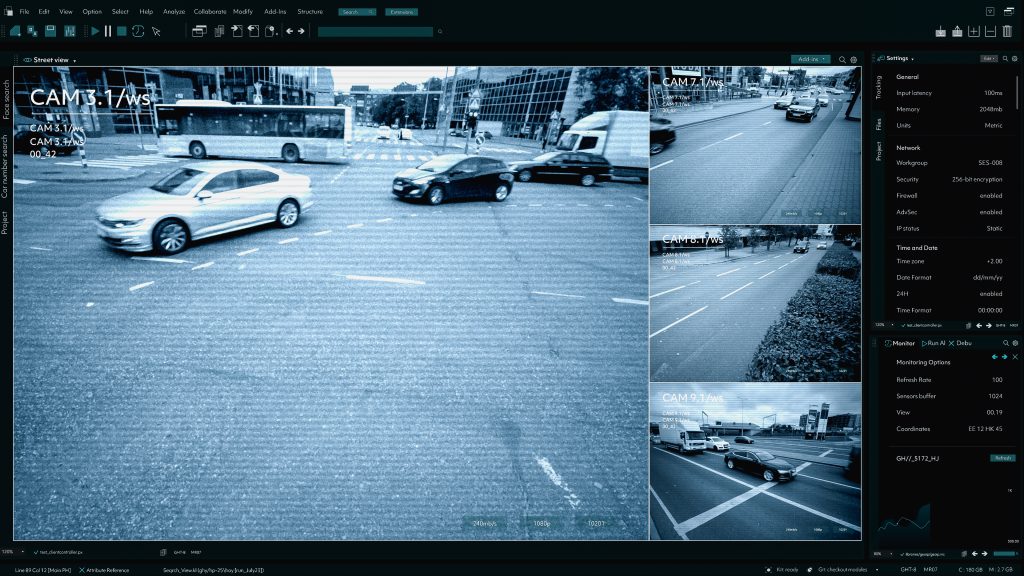
Obtain surveillance footage from nearby businesses and roadway cameras
Interview witnesses quickly before memories fade
Review cell-phone records (when distraction is suspected)
Coordinate medical documentation that connects the crash mechanics to the injuries
Calculate future care needs and long-term limitations
We also help clients avoid common pitfalls—like gaps in treatment or signing broad medical authorizations the insurer can use to cherry-pick your history.
At Walter Gabriel Accident & Injury Lawyers, we are committed to providing personalized, compassionate legal representation to car accident victims in Baton Rouge. Our attorneys have a deep understanding of Louisiana’s traffic laws and the unique challenges of accidents on Baton Rouge’s roads. We have a proven track record of success in handling car accident cases, and we are dedicated to securing the best possible outcome for our clients.
When you choose us, you can expect:
If you or a loved one has been injured in a car accident in Baton Rouge, don’t wait to seek legal help. The sooner you contact us, the sooner we can start building your case. Call Walter Gabriel Accident & Injury Lawyers today at (225) 401-1111 or fill out our online contact form for a free consultation. Let us help you get the justice and compensation you deserve.
At Walter Gabriel Accident & Injury Lawyers, we’re here to guide you through every step of the process and ensure your voice is heard. You don’t have to face this difficult time alone—let us fight for you.
Call us at (225) 401-1111 or visit our Baton Rouge office located at 5555 Hilton Avenue, Baton Rouge, LA 70808.
How Louisiana’s New Law Impacts Car Accident Victims If you’ve been in a car accident in Louisiana, you might wonder