
The screech of tires on the interstate or major roadway. The violent, sudden impact from being rear-ended. In an instant, an 18-wheeler accident changes your life. You’re hurt, your car is wrecked, and the shock of it all makes it hard to think clearly. Seeking medical help is necessary. Contacting an experienced Baton Rouge rear-end 18-wheeler accident attorney is crucial.
What you may not realize is that the moment the crash happened, the trucking company started building a case to protect itself. In practice, large commercial carriers dispatch their own investigators and insurance adjusters to the scene—not to help you, but to find ways to limit their financial responsibility for the damage they caused.
Their goal is simple: get you to accept a quick, low settlement before you understand the full extent of your injuries or your legal rights. They are counting on your confusion and your immediate need for help. This is the unfair advantage they bring to every Baton Rouge rear-end truck accident claim, and it’s a fight they start immediately.
You deserve a team that fights just as hard for you. Baton Rouge rear-end 18-wheeler accident attorney Walter Gabriel understands their exact playbook and knows how to counter it. He builds a case designed to hold negligent trucking companies accountable and secure the compensation you need to truly recover. You don’t have to face them alone.

In the chaos after a rear-end collision with an 18-wheeler, it’s hard to think clearly. The trucking company and their insurer are already working to protect their interests. The following steps are what you must do right now to protect your own health and your rights.
Your focus should be on these three actions. They create a foundation for everything that follows, from your physical recovery to understanding how to file a claim after a truck accident in Louisiana.
Taking these steps puts you back in control. While you focus on healing, your attorney can begin the fight to hold the negligent parties accountable. This isn’t just a big car accident; it’s a complex commercial vehicle case, and the rules are completely different. You need a team of experienced Baton Rouge truck accident lawyers who fight for the compensation you deserve.
The sheer force of an 80,000-pound truck is terrifying, but the biggest difference between your accident and a typical car wreck isn’t the size—it’s the rules. In fact, commercial trucking is governed by a thick book of federal safety laws, known as the FMCSA regulations for commercial trucks. Furthermore, when a driver or their company violates these rules—by driving too many hours, failing to inspect their brakes, or falsifying logs—it provides powerful proof that they were negligent and are responsible for your injuries.
This complexity extends to figuring out who is truly at fault. In a simple car wreck, it’s usually one driver against another. But after a commercial vehicle accident, the investigation often reveals a chain of negligence. Was the trucking company pressuring the driver to meet an unsafe deadline? Did a third-party mechanic fail to properly service the vehicle? Was the cargo loaded improperly by a separate company, causing the truck to lose control? The driver is often just the final link.
Answering these questions is why finding the right Baton Rouge truck accident lawyer for a truck accident vs. a car accident is so critical. The trucking company’s insurer knows these complex rules and will use them to their advantage, counting on you to be overwhelmed. To win, you need an attorney who understands the federal playbook and knows exactly how to use it to hold every single responsible party accountable for the harm they’ve caused.
Proving what really happened in the moments before a rear-end collision is a race against time. Many people don’t realize that commercial trucks have a “black box”—an Electronic Control Module (ECM) that acts like a flight recorder. This device captures a digital snapshot of the truck’s activity just before impact, including its speed, whether the driver hit the brakes, and other critical data. This black box data from a semi-truck is often the single most powerful piece of evidence needed for a truck accident claim, as it can instantly expose driver negligence.
The trucking company and its insurance provider know exactly how powerful this data is. Under the law, they are only required to preserve this information for a short time. If they aren’t legally forced to protect it, they can—and often do—allow that critical black box data to be recorded over. The same goes for driver logs, maintenance reports, and other proof that might show a pattern of truck driver negligence examples. Additionally, they count on this evidence to disappear before you can get to it.
This is why you cannot wait. The moment you hire Walter Gabriel, our team sends an official preservation letter to the trucking company. This legal notice demands they immediately stop and protect all evidence—from the black box data to the driver’s communication logs. Taking this one step is often the difference between having the proof you need and having no case at all. Furthermore, once this evidence is secured, our truck accident lawyers in Baton Rouge can begin the work of discovering who is truly responsible for the harm you’ve suffered.
Most people assume that in any rear-end collision, the driver who did the hitting is 100% at fault. While that’s often the starting point, determining who is at fault in a rear-end truck collision is far more complex. The trucking company and its aggressive insurance carriers will immediately look for ways to shift the blame—even onto you, the victim. For example, they have a team of truck accident laweyers in Baton Rouge dedicated to minimizing what they have to pay.
To hold them accountable, our Baton Rouge truck accident attorneys must prove their “negligence” which is simply a legal term for being careless and causing harm. In our experience fighting for victims our Baton Rouge truck accident lawyers find that some of the most common truck driver negligence examples aren’t just about the driver’s split-second actions, but also the company’s failures. This carelessness often looks like:
Even with clear proof of negligence, the trucking company’s lawyers may still try to argue that you were partially to blame. They might falsely claim you braked suddenly or had a broken tail light. Fortunately, the Louisiana comparative fault law explained in simple terms means their strategy doesn’t have to sink your case. This rule allows you to recover compensation even if you are found to be partially at fault. Your recovery is simply reduced by your percentage of fault.
This is why our investigation is so critical. Our Baton Rouge truck accident attorneys don’t just take the police report at face value. Simply put, we use the evidence. In fact, our Baton Rouge truck accident lawyers preserve that evidence to build an undeniable case that shows what truly happened and who is responsible for the costs of your recovery.
don’t wait to get the help you need.
Contact us at (225) 401-1111 for a free consultation with an experienced Baton Rouge truck accident lawyer

After a terrifying truck crash, your mind is flooded with questions. One of the most urgent is, “How am I going to pay for all of this?” The trucking company’s insurer may offer you a quick check, hoping you’ll take it and go away. This initial settlement for a rear-end semi-truck accident is almost always a trap. It’s designed to cover your immediate bills, but it completely ignores the true, long-term costs of your recovery. Answering the question of what is my truck accident case worth requires looking at the full picture, not just the bills in your mailbox today.
A fair recovery accounts for everything you have lost and will lose in the future. In legal terms, this is called “damages.” It’s our job to identify and prove the full extent of your damages, which are often far more than just the initial hospital visit. Our Baton Rouge truck accident lawyers fight for compensation that includes:
Finally, some of the most significant costs aren’t on a bill. Common injuries from a Baton Rouge rear-end 18-wheeler accident, like spinal cord trauma or chronic pain, have a profound human cost. Louisiana law allows you to seek compensation for this “pain and suffering.” This is money to acknowledge the daily pain, the stress, and the loss of enjoyment in your life caused by someone else’s carelessness. To help, start a simple list of all the ways the crash has affected your daily life. This information is critical for showing the insurance company the true impact of your suffering. Rear-end 18-wheeler Accident Attorney Walter Gabriel fights to get you the compensation you deserve.
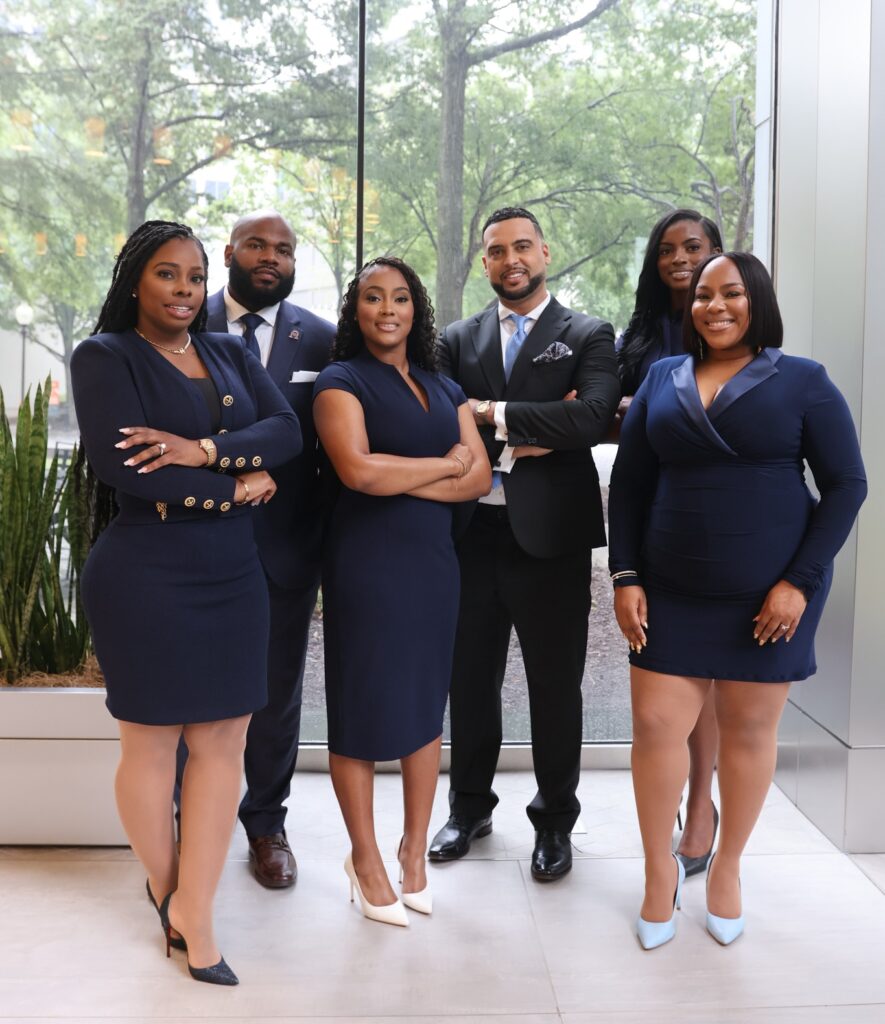
Trucking companies and their insurers have teams of lawyers ready to protect their profits. I founded this firm on a simple belief: you deserve a dedicated team fighting just as hard for you. Consequently, hiring a an attorney for your rear-end 18-wheeler accident is about more than just legal skill. It’s about finding a Baton Rouge truck accident attorney who is 100% on your side, from start to finish. Additionally, our 18-wheeler accident attorneys level the playing field so your voice is heard loud and clear.
Furthermore, our commitment means we immediately take the burden off your shoulders. From the moment you hire our firm, we handle every aggressive phone call from the insurance company. Baton Rouge rear-end 18-wheeler accident attorney Walter Gabriel and his team manage every aspect of your injury case. Your job is to heal; our job is to handle everything else.
You are not a case file to us. You are a neighbor in our Baton Rouge community who is hurting. As your rear-end 18-wheeler accident attorney Walter Gabriel promises to give your case the personal attention it deserves, treating you like family. It’s why our clients’ stories in Baton Rouge truck accident lawyer reviews often speak of feeling heard and protected. It all begins with a simple, honest conversation.
You now see that the moments after the crash were just the beginning. What felt like a straightforward rear-end collision is actually a complex legal battle where evidence can vanish and trucking companies have powerful legal teams working to minimize their responsibility. You understand that hiring rear-end 18-wheeler accident attorney Walter Gabriel for a commercial vehicle accident isn’t just an option—it’s the most important step you can take to protect yourself and your family.
Your path to securing a fair settlement for a rear-end semi-truck accident starts not with a risk, but with a simple conversation. A confidential, no-pressure call allows you to get immediate answers, understand your legal rights, and learn exactly how we can help. This first step costs you nothing and gives you the clarity you need to move forward with confidence.
You suffered through enough. Let our Baton Rouge truck accident lawyers take the fight from here. Contact our office to schedule your free consultation with Baton Rouge truck accident lawyer Walter Gabriel and his team. Moreover, we will listen to your story, explain your options, and begin protecting your rights today.
don’t wait to get the help you need.
Contact us at (225) 401-1111 for a free consultation with an experienced Baton Rouge truck accident lawyer




Personal injury refers to physical, emotional, or psychological harm suffered by an individual due to the negligence, recklessness, or intentional actions of another party. Common examples include car accidents, slip and fall incidents, medical malpractice, workplace injuries, and product liability cases. The goal of personal injury law is to provide compensation to the injured party (plaintiff) for their losses, such as medical expenses, lost wages, pain and suffering, and other damages.
A personal injury lawyer, like Attorney Walter Gabriel, specializes in representing individuals who suffered injuries due to someone else’s actions or negligence. Here’s how Attorney Walter Gabriel helps victims receive maximum compensation for their injuries:
In summary, Attorney Walter Gabriel plays a vital role in helping accident victims recover the maximum compensation they deserve by providing expert legal representation, thorough case preparation, and unwavering advocacy.
Suffering an accident or injury can be a life-altering experience, leaving you physically, emotionally, and financially overwhelmed. In the moments following an incident, it’s crucial to take the right steps to protect your health, your rights, and your ability to recover compensation. At Walter Gabriel Accident & Injury Lawyers, we’re here to help you navigate this challenging time. Here’s what you should do after an accident or injury:
Your health and safety are the top priority. Even if your injuries seem minor, it’s essential to see a doctor as soon as possible. Some injuries, such as whiplash or internal trauma, may not show symptoms right away. A medical professional can document your condition, which is critical for both your recovery and any future legal claims.
Depending on the type of accident, report it to the appropriate authorities or parties. For example:
Gather as much evidence as possible to support your claim. This includes:
Be cautious about what you say after an accident. Avoid admitting fault or making statements that could be used against you later. This includes conversations with insurance adjusters, the other party involved, or even on social media. Let your attorney handle all communications on your behalf.
Navigating the legal process after an injury can be complex, especially when dealing with insurance companies or at-fault parties. An experienced personal injury attorney can help you:
At Walter Gabriel Accident & Injury Lawyers, we specialize in helping injury victims recover the compensation they deserve for medical bills, lost wages, pain and suffering, and more. We’ll fight tirelessly to protect your rights and hold responsible parties accountable.
Injury-related expenses can add up quickly. Maintain a file with all receipts, bills, and documentation related to your accident, including:
This information will be crucial when calculating the full value of your claim.
Insurance companies often try to offer quick, lowball settlements to minimize their payouts. Before accepting any offer, consult with a personal injury lawyer near you to ensure it covers all your current and future expenses. Once you accept a settlement, you typically cannot seek additional compensation later.
Let Us Help You Move Forward
If you or a loved one sustain injuries due to someone else’s negligence, you don’t have to face the aftermath alone. The team at Walter Gabriel Accident & Injury Lawyers is here to provide compassionate, experienced legal representation. We’ll guide you through every step of the process, so you can focus on healing while we fight for the justice and compensation you deserve.
Contact us today for a free, no-obligation consultation. Let us help you take the first step toward recovery and securing your future.
A personal injury lawyer typically works on a contingency fee basis, which means they only get paid if they successfully recover money for you. Here’s how it works:
In summary, a personal injury lawyer’s payment structure is designed to make legal representation accessible to everyone, regardless of their financial situation. You don’t have to pay a dime to start your case, and the lawyer only gets paid if you win. This arrangement aligns the lawyer’s interests with yours, ensuring they are committed to achieving the best possible outcome for your case.
The value of a personal injury case depends on several factors, and without specific details, it’s impossible to provide an exact amount. However, here are the key factors that influence the worth of a personal injury case:
For a more accurate estimate, provide specific details about your case to a qualified personal injury attorney. They can assess the unique factors of your situation and give you a better idea of what your case might be worth.
The time it takes to resolve a personal injury case can vary widely depending on several factors, including the complexity of the case, the severity of the injuries, the willingness of the parties to negotiate, and the court’s schedule. Here are some general timelines:
If you have specific concerns about your case, it’s best to discuss them with your personal injury attorney, who can provide a more accurate timeline based on the details of your situation.
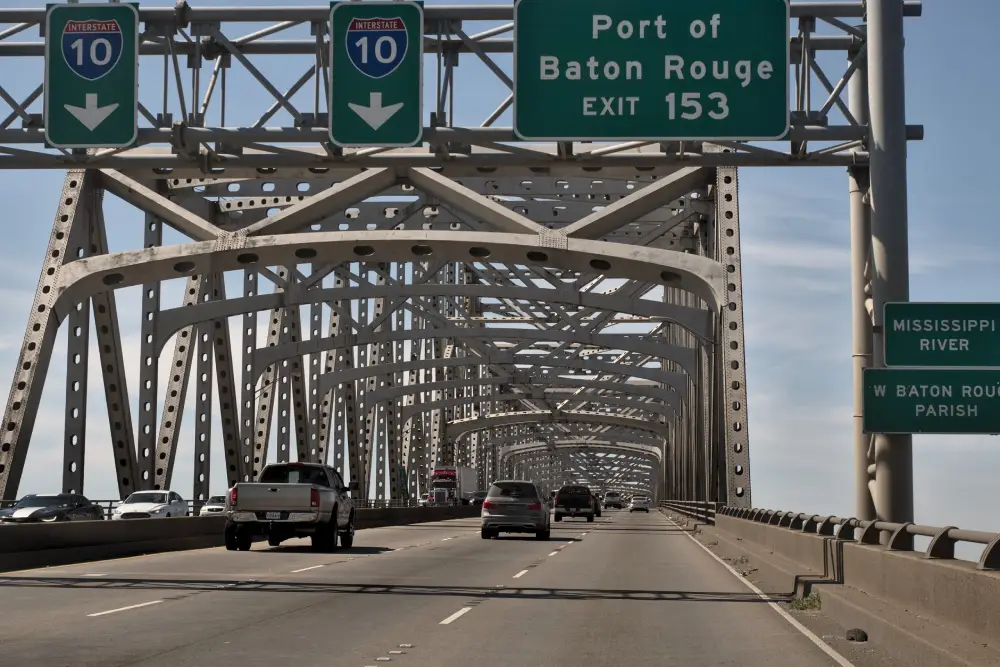
A sudden collision on a Baton Rouge interstate like I-10, I-12, or I-110 can leave you disoriented and overwhelmed. Knowing
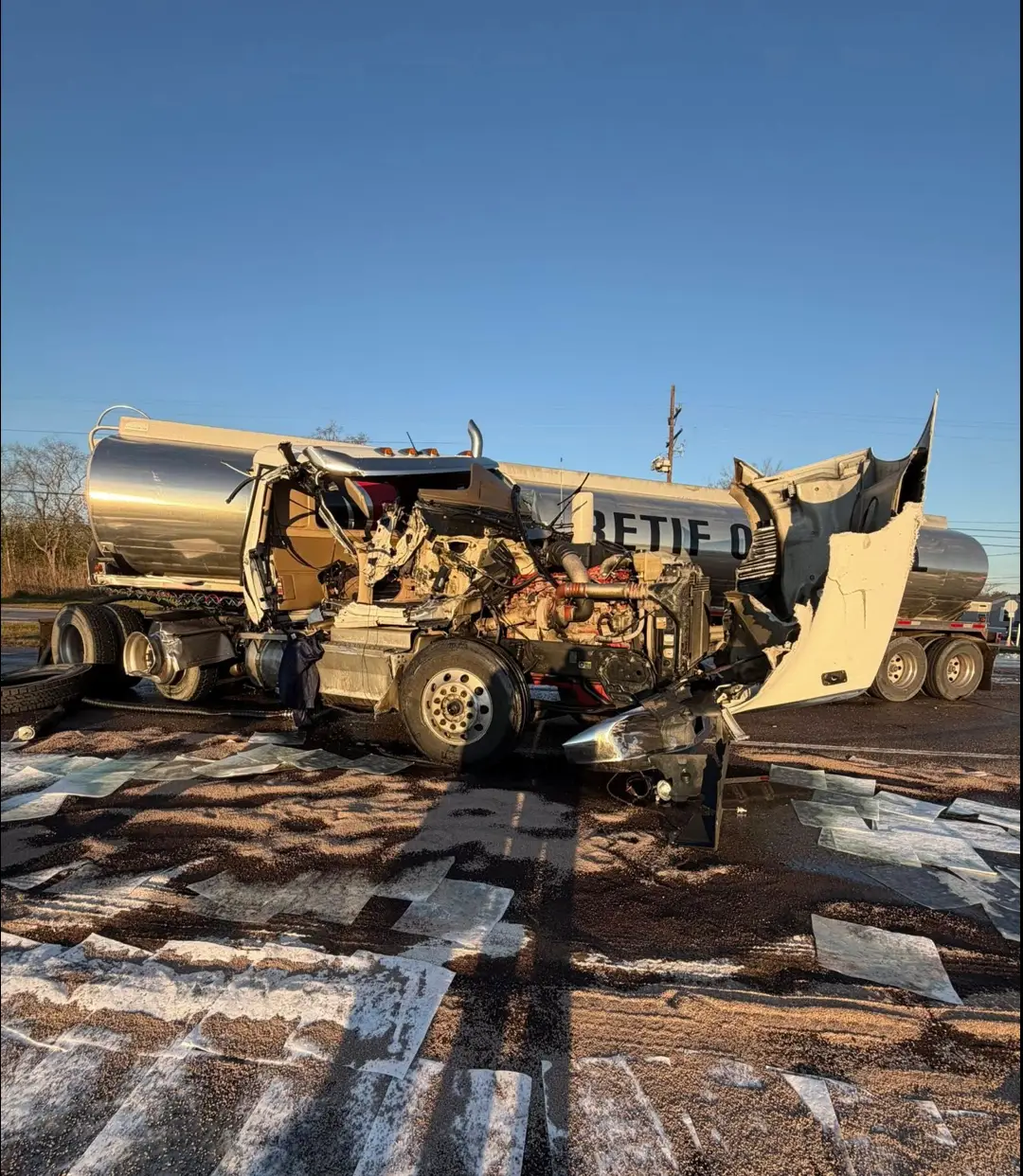
An Oil-Tanker Crash in Plaquemines Parish on Highway 23 in the Oakville/Cedar Grove area serves as a stark reminder of

Many people associate severe injuries with high-speed, catastrophic accidents. However, low-impact accidents—those occurring at lower speeds or with minimal visible

The Immediate Impact of Losing a Loved One to a Drunk Driver The immediate aftermath of losing a loved one
Lorem ipsum dolor sit amet, consectetur adipiscing elit. Ut elit tellus, luctus nec ullamcorper mattis, pulvinar dapibus leo.
